

We’ve all been there—you’re trying to get your buddy’s attention underwater. You’ve just spotted a common lobster lurking in a nook of a Scapa Flow wreck. Lost in a nudi trance, they’re off in their own world, and you’re frantically waving with nothing but an oblivious stream of bubbles in return.
This is exactly where Garmin’s SubWave sonar-based communication changes the dive. Whether you’re navigating through Maltese wrecks, goofing off with the seals of Lundy, or descending into the cargo holds of the Thistlegorm in Egypt, SubWave lets you do more than signal underwater—it lets you speak.
We had the chance to test Garmin’s underwater messaging technology across continents using both the brand-new Descent X50i and the well-established Mk3i. The feature allows divers to share dive data and send messages directly to each other’s computers—no hand flapping necessary.
Now every Tom, Dick, and Harry can descend with dive tech that’ll make James Bond jealous. But is Garmin SubWave actually useful and practical in real life?
Let’s dive in.
Where to buy your Garmin dive computer?
Visit the official Garmin web store and enjoy free shipping:
Descent™ Mk3i starting at £1,099.99
Descent™ X50i starting at £1,329.99
So how does SubWave technology work?

SubWave is Garmin’s solution to the never-ending issues that divers can face with underwater communication. Unlike radio or Bluetooth, Subwave uses sonar signals that can transmit through water. With this system, divers can share both dive data and send short, preloaded messages.
Divers can send over 30 messages—like “Follow me”, “Dive time remaining”, or “Help”. You can choose particular messages to be favourites so you can quickly send the ones you use the most frequently. Dive data that is shared includes tank pressure, current depth, and distance between.
The range for sending messages is up to 30 metres, while tank pressure and depth sharing is limited to a more conservative 10 metres. This means your buddy doesn’t need to be glued to your side—but they do still need to be within visual diving range for the tech to operate reliably.
On our recent trips to Egypt and Malta, we saw good transmission success within that distance though, as with all sonar, clarity decreases with physical obstructions or strong thermoclines.
Which Garmin dive computers are compatible?

For the technology to work, each diver must be wearing either the Garmin Descent Mk3i or the new X50i, and be paired with a T2 transmitter. Once paired, sending a message is as easy as pressing “Start”, selecting “Messages”, and choosing the one you want to send. You can message up to eight divers in the group, which is great for teams conducting tech or training dives.
The key detail here is that it doesn’t matter whether your dive buddy is on the same model as you. A diver using an Mk3i can communicate seamlessly with another wearing the X50i, provided both are paired with T2 transmitters. This interoperability is a major plus for dive groups and clubs, especially those where not everyone is upgrading gear at the same time.
Descent Mk3i versus X50i

Although SubWave works identically with both the Mk3i and X50i, both serve slightly different kinds of divers.
The Mk3i is Garmin’s full-spectrum dive and fitness watch. It’s sleek, can be worn every day, and does just about everything. It’s compatible with over 100 sport profiles, comes with health tracking metrics like VO2 max and sleep scores, and includes surface GPS and DiveView™ maps. For divers who want one watch to rule them all—on land and underwater—the Mk3i is hard to beat.

The X50i, on the other hand, is unapologetically dive-first. It has the same 200 metre depth rating and SubWave features as the Mk3i, but Garmin has fitted it with a much larger 3-inch colour touchscreen—the biggest display on any Garmin dive computer.
The X50i also carries a built-in backup dive light, detailed DiveView™ maps of over 4,000 dive sites, and real-time tide data, making it an incredibly capable tool for both recreational and technical diving. If you’re frequently diving in the UK, where visibility and thick gloves go hand in hand (pun intended), the X50i’s large and bright touchscreen is the wiser choice.
What this means for you

We tested SubWave messaging in a mix of dive environments, starting with Maltese Mediterranean wrecks, where currents and steel can separate buddies, and communication becomes a matter of efficiency. Sending a “Come to me” message while hovering near a cargo hold was easier than swimming over to retrieve my distracted buddy.
We also tested the SubWave system in the Egyptian Red Sea, and anyone who’s been diving here knows deep drifts are pretty standard. Being connected to your buddy’s transmitter means you can simply glance at your dive computer and see their current depth and remaining air.
We found this feature to be especially handy on wall dives, where your buddy might be above or below you, rather than in your immediate eyesight. So, if you did want to get their attention, simply send “Dive time remaining” as a friendly reminder.
So even if your buddy may not immediately be within your view, all their relevant data may still be accessible, giving you priceless peace of mind
Why SubWave is here to stay
Diver-to-diver messaging isn’t just a novelty—it’s a quiet evolution in how we interact below the surface. While some may argue that hand signals have worked fine for decades, the ability to clearly and reliably share critical dive information—especially when visibility drops or currents pick up—is undeniably useful.
With Garmin’s SubWave tech now available on both the everyday Mk3i and the dive-focused X50i, UK divers have more choice than ever in how they gear up for cold and murky underwater adventures.
So no matter how you dive, the message is clear: communication matters.
Where to buy your Garmin dive computer?
Visit the official Garmin web store and enjoy free shipping:
Descent™ Mk3i starting at £1,099.99
Descent™ X50i starting at £1,329.99
More about the Garmin Mk3i
The Mk3i has a lot of features that we think you’ll really love.
See them all at a glance here.
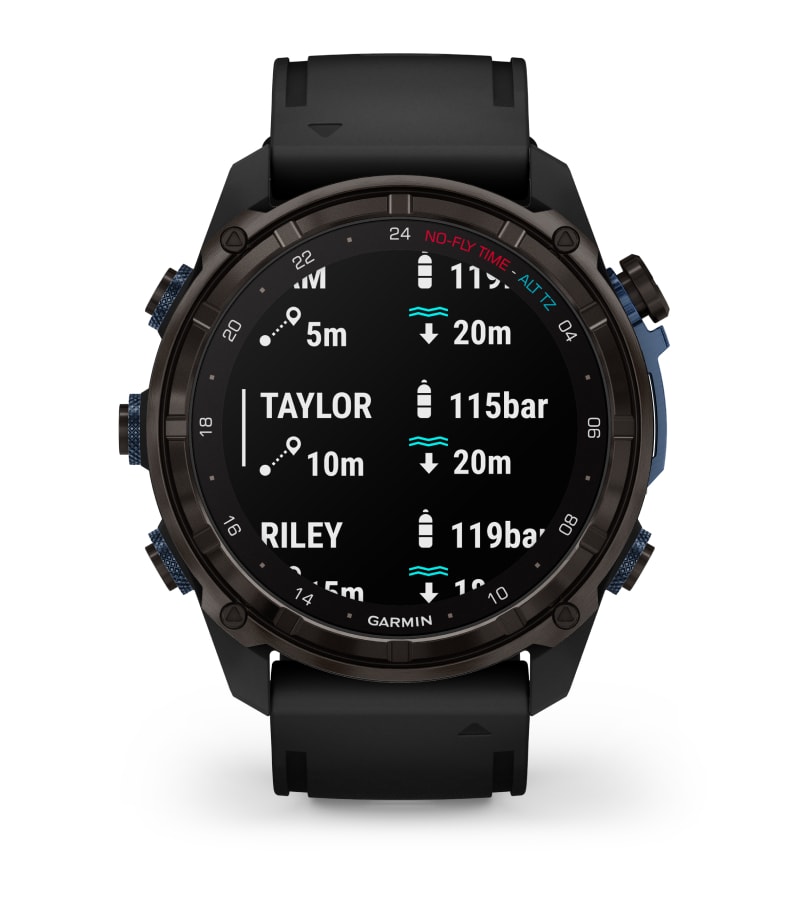
Air Integration
Pair with Descent™ T2 transceivers (sold separately) for integrated pressure monitoring on up to 8 tanks via the SubWave sonar data network.
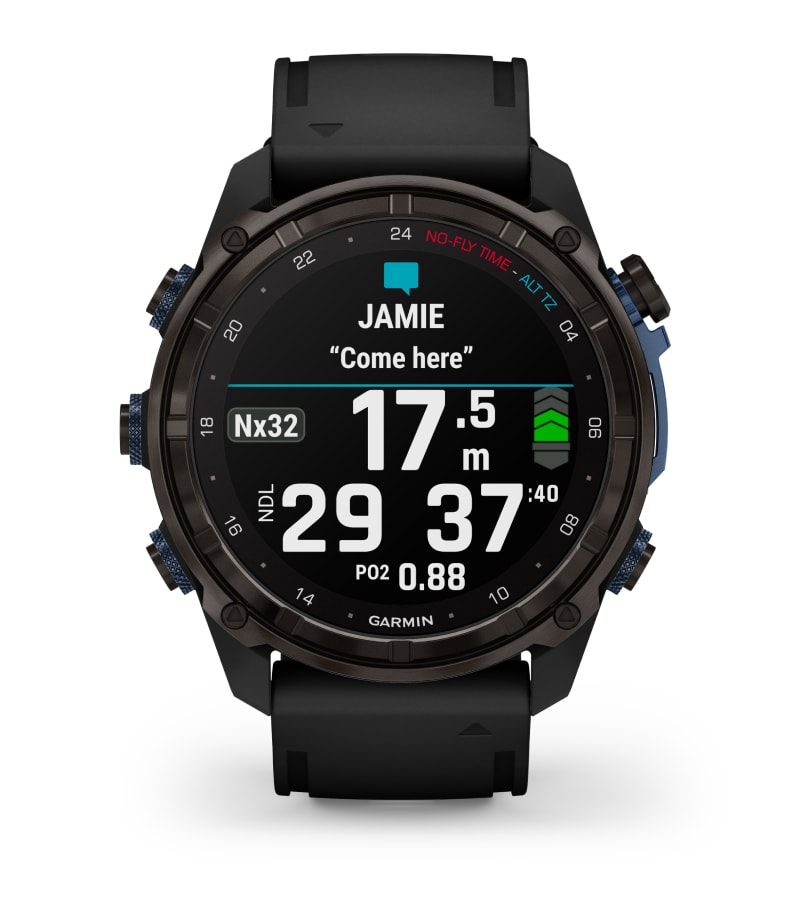
SubWave Sonar Networking
Exchange preset diver-to-diver messages up to 30 metres away as well as monitor tank pressures and depth for up to 8 divers within a range of 10 metres.
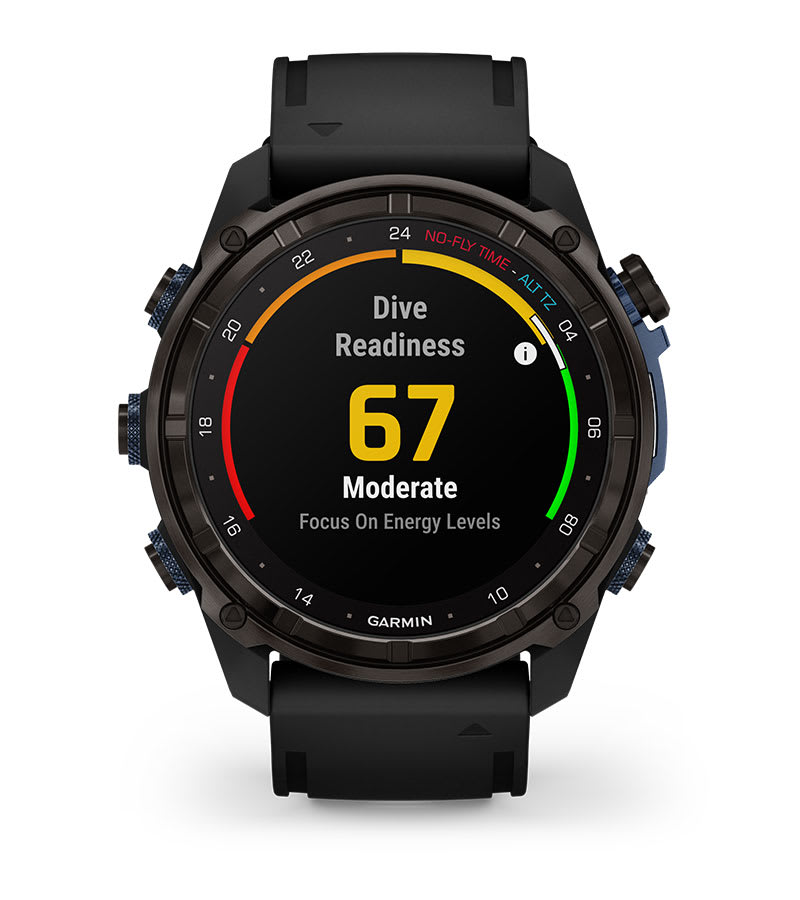
Dive Readiness Tool
This Garmin-first technology shows how lifestyle factors such as sleep, exercise, stress and jet lag can affect your body to help gauge when you are best prepared to dive.
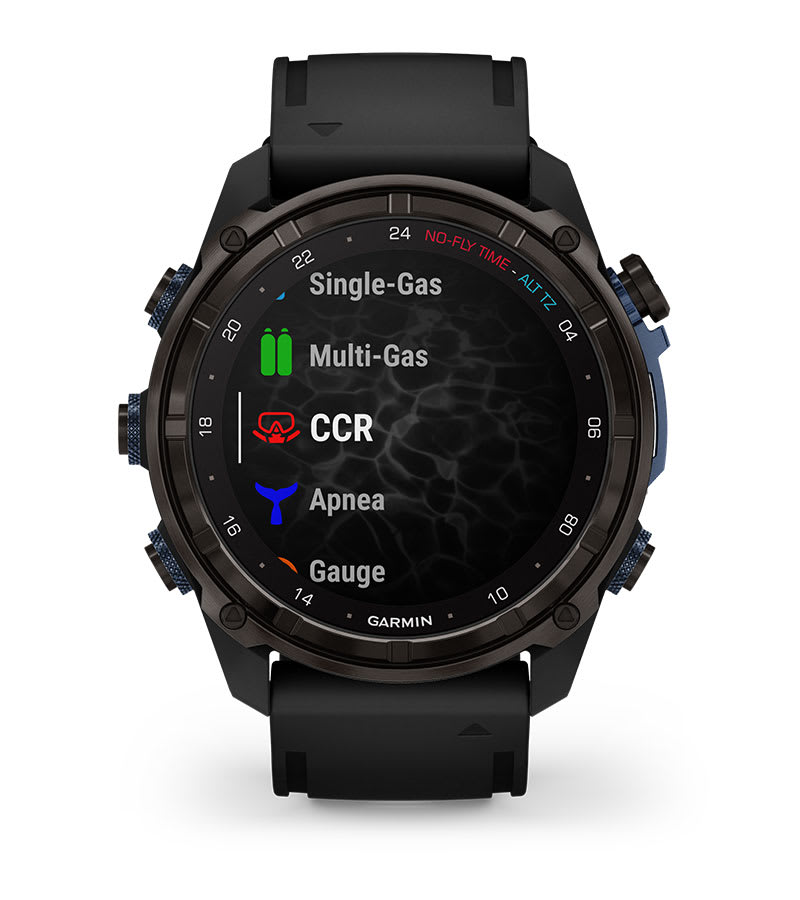
Dive Modes
Get multiple dive modes for single and multiple gas dives (including nitrox and trimix), gauge, apnea, apnea hunt and closed-circuit rebreather.
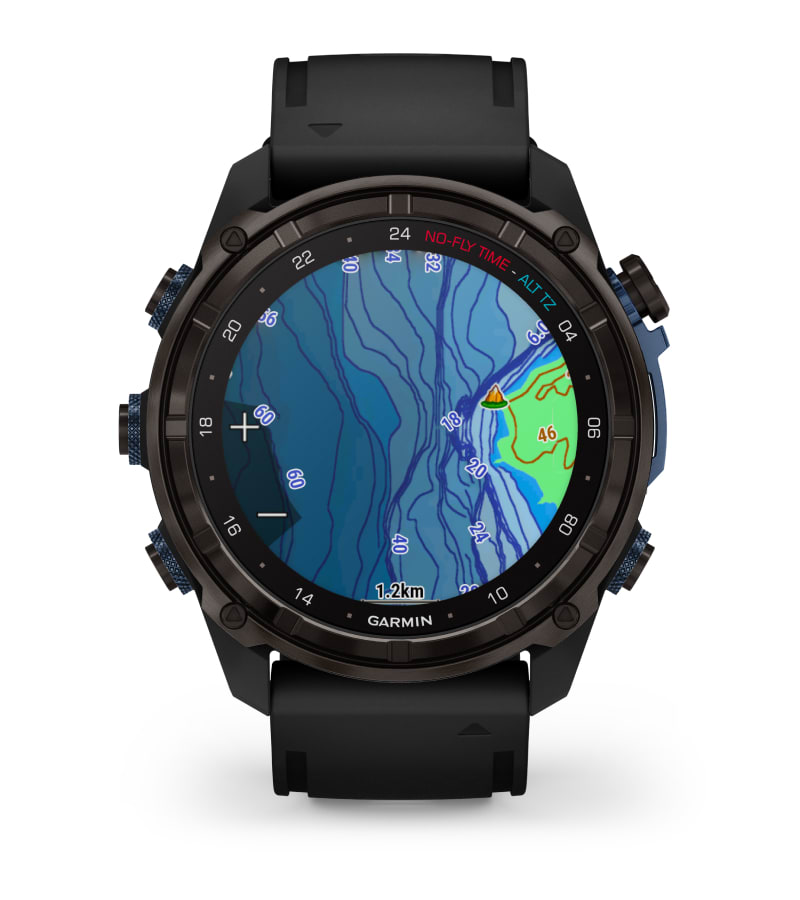
Diveview Maps
Colour maps on your wrist offer bathymetric depth contours and more than 4,000 dive sites to help you discover new places to dive and get oriented.
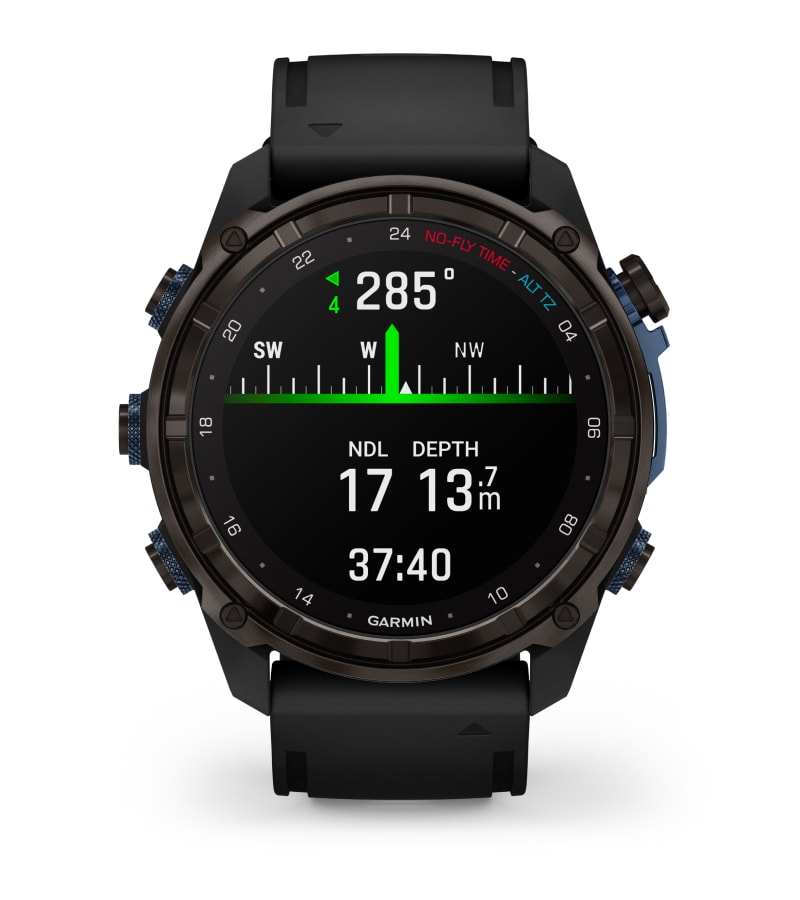
Dive-Focused Design
With its bright 1.4″ AMOLED colour display, sapphire lens, 200-metre dive-rated case and leakproof metal inductive buttons, this dive computer is built to go deep.
More about the Garmin X50i
The X50i has a lot of features that we think you’ll really love.
See them all at a glance here.

3-Inch Vibrant Colour Touchscreen Display
The large colour screen allows more data to be visible and makes critical information such as the projected ascent dive profile and in-dive depth chart easily readable at a glance. And the touchscreen makes setup easy above the surface.
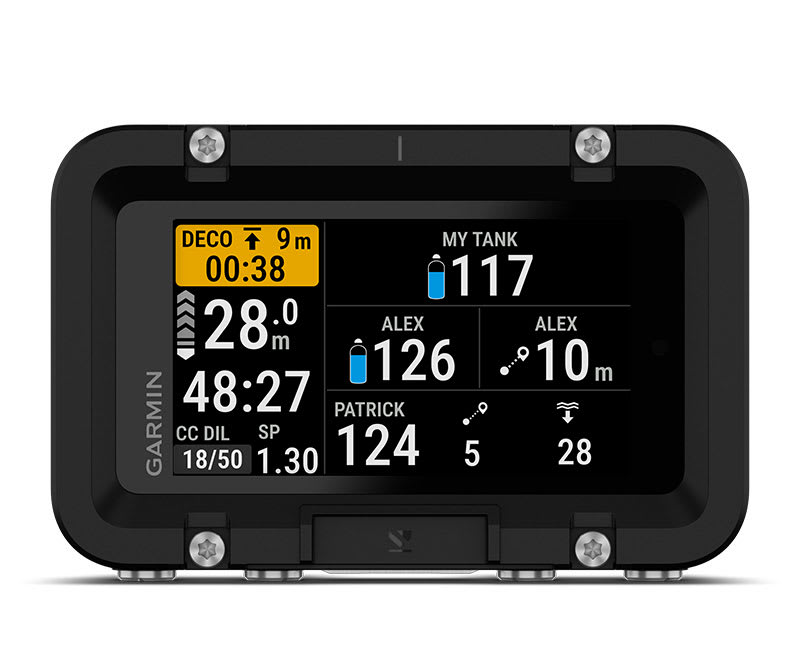
Air Integration
Pair with the Descent™ T2 transceivers (sold separately) for integrated tank pressure monitoring of up to 8 tanks via the SubWave sonar data network.
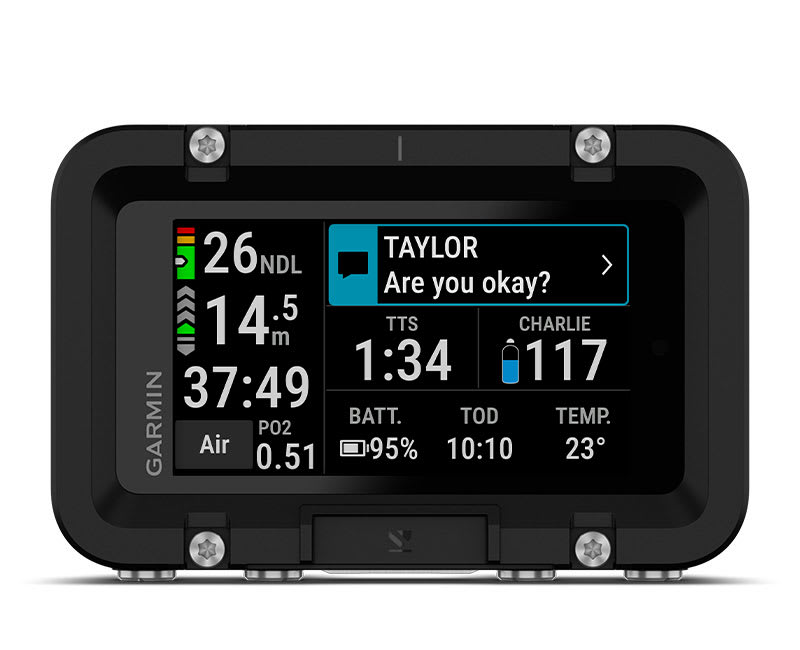
Subwave Sonar Networking
Exchange preset diver-to-diver messages up to 30 metres as well as monitor tank pressure, depth and distance for up to 8 divers within a range of 10 metres.
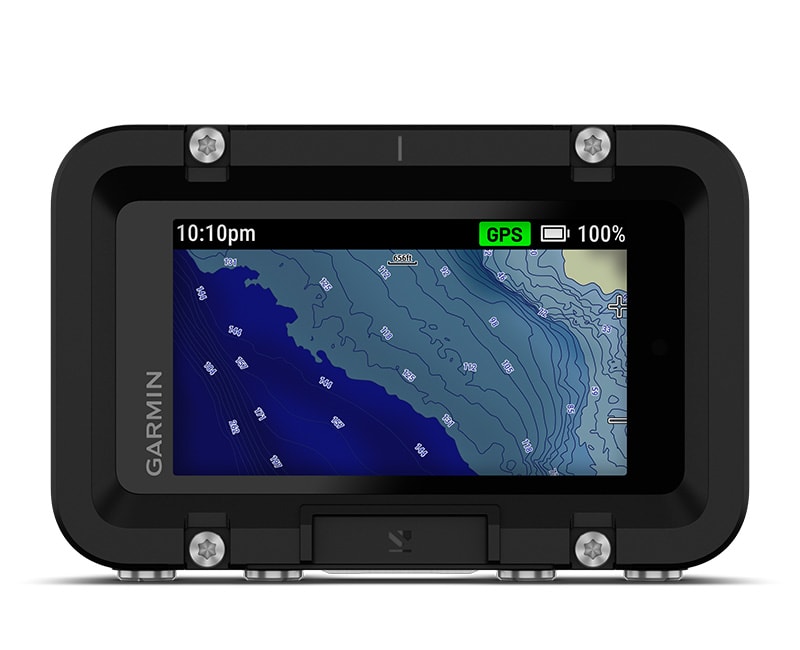
Diveview Maps
An extension of preloaded TopoActive maps, Diveview Maps offer bathymetric depth contours for 4,000+ dive sites to help you find where to dive and provide information to prepare you.
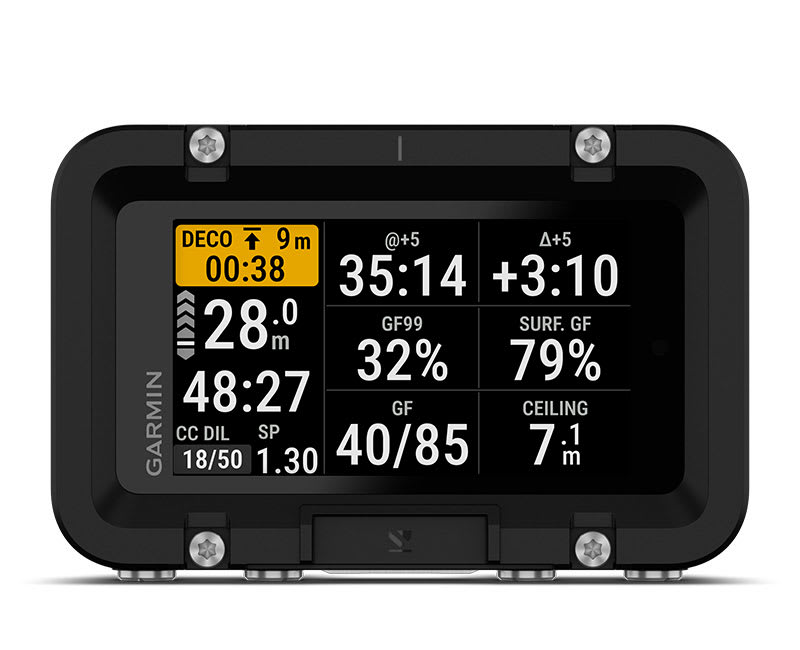
Technical Data Fields
See multiple data fields that will help you understand your current decompression needs and make real-time decisions with confidence.
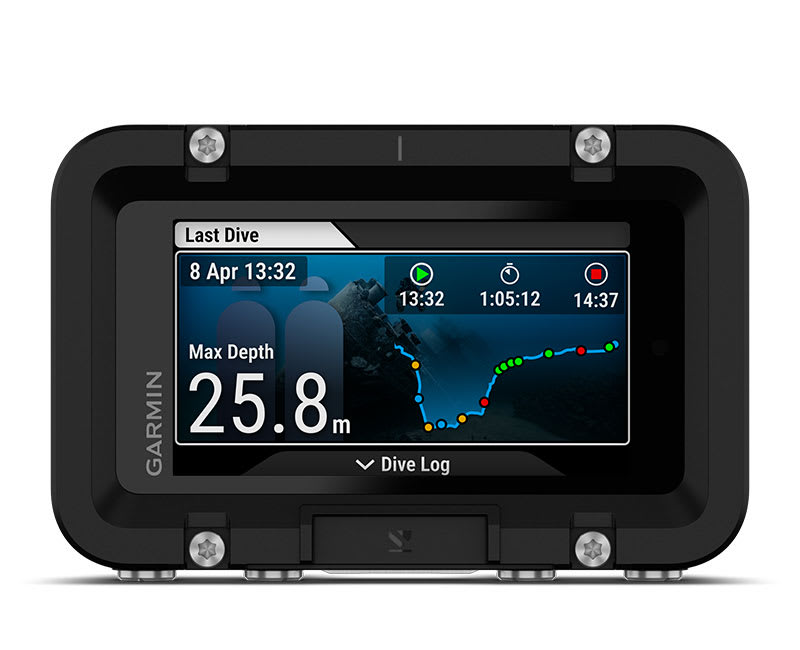
Built For New Depths
The Descent X50i dive computer features a sapphire lens, integrated dive light, 20 ATM dive rating and leakproof metal buttons — ready for you to take on the most technical dives.
What Are DiveView™ Maps?
Your dive computer becomes a dive planning powerhouse with DiveView™ maps—detailed underwater topography for over 4,000 dive sites worldwide, right on your wrist. See precise depth contours, seafloor terrain, and wreck locations before you even kit up, turning pre-dive guesswork into tactical planning.
The DiveView maps show the following features:
- Depth shading
- Seafloor terrain
- Depth contour lines down to 80 metres for offshore areas in selected regions
- Depth zones highlighting depths of 2-18 metres and 18-40 metres

Coverage spans the US, Europe, Mediterranean, and Northern Africa, highlighting key depth zones from shallow discovery areas (2-18m) to the recreational sweet spot (18-40m), with contours extending to 80 metres. Whether you’re exploring Malta’s wrecks or Egypt’s walls, you can identify the perfect entry points, spot potential hazards, and plan your dive profile using real bathymetric data.
Important: DiveView maps work on the surface only—perfect for pre-dive planning and surface intervals, but your computer switches to standard dive displays once underwater. This surface-only limitation ensures your dive computer prioritizes critical underwater functions when it matters most.
 Take a moment to look at this.